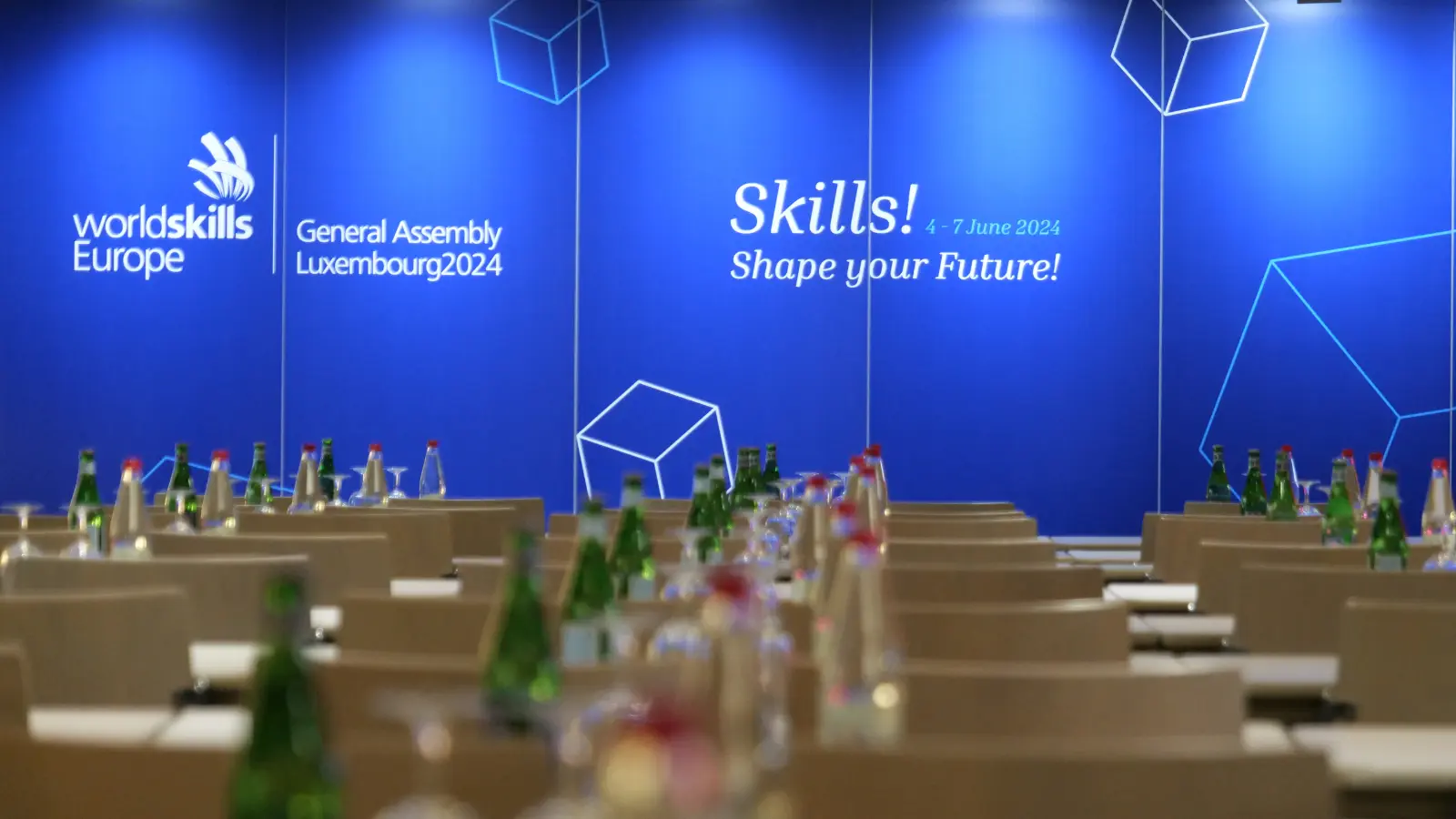
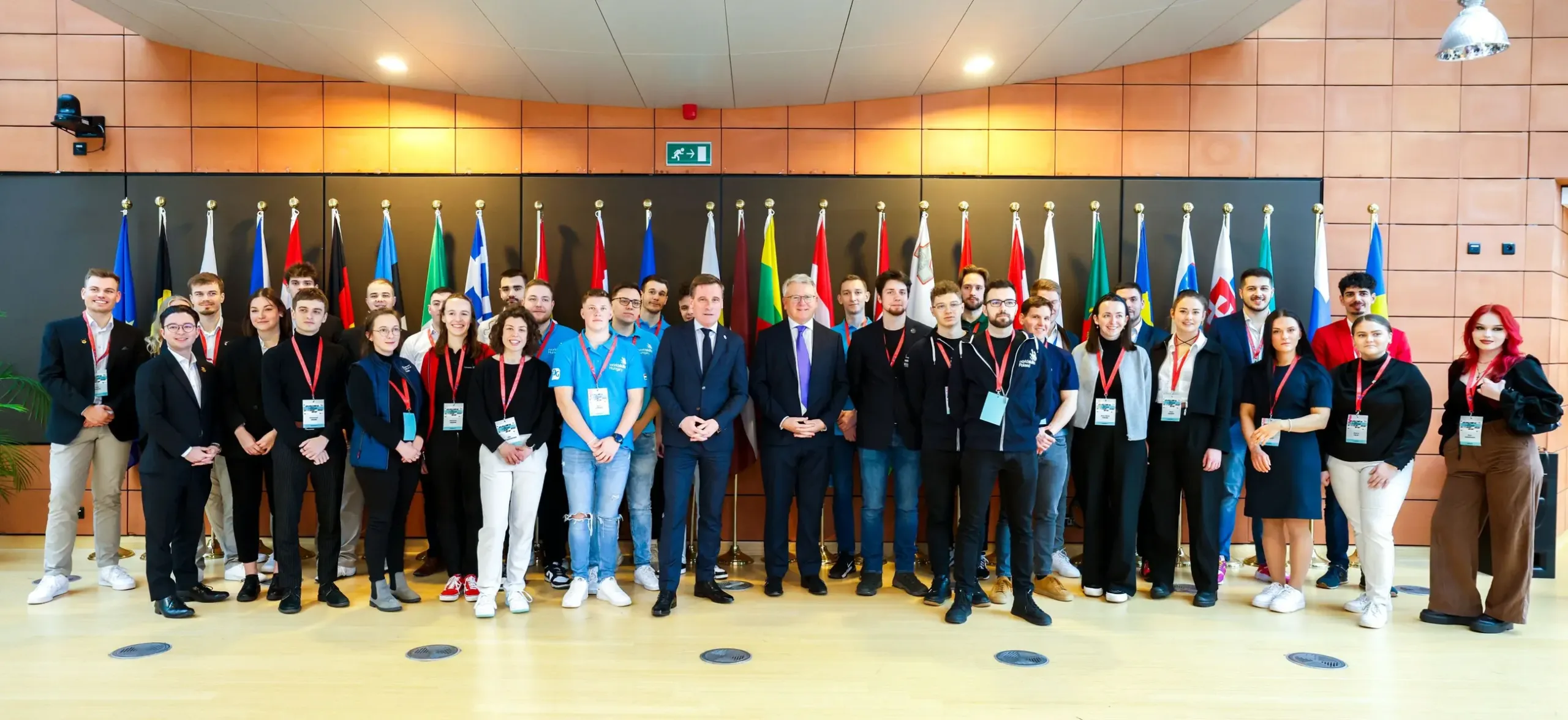
The WorldSkills Europe General Assembly will take place from 4–7 June, uniting WorldSkills Europe Members.
The WorldSkills Europe General Assembly 2024 Luxembourg will bring together all Member countries, and WorldSkills Europe Sponsors and Partners, for a series of strategic meetings and discussions.
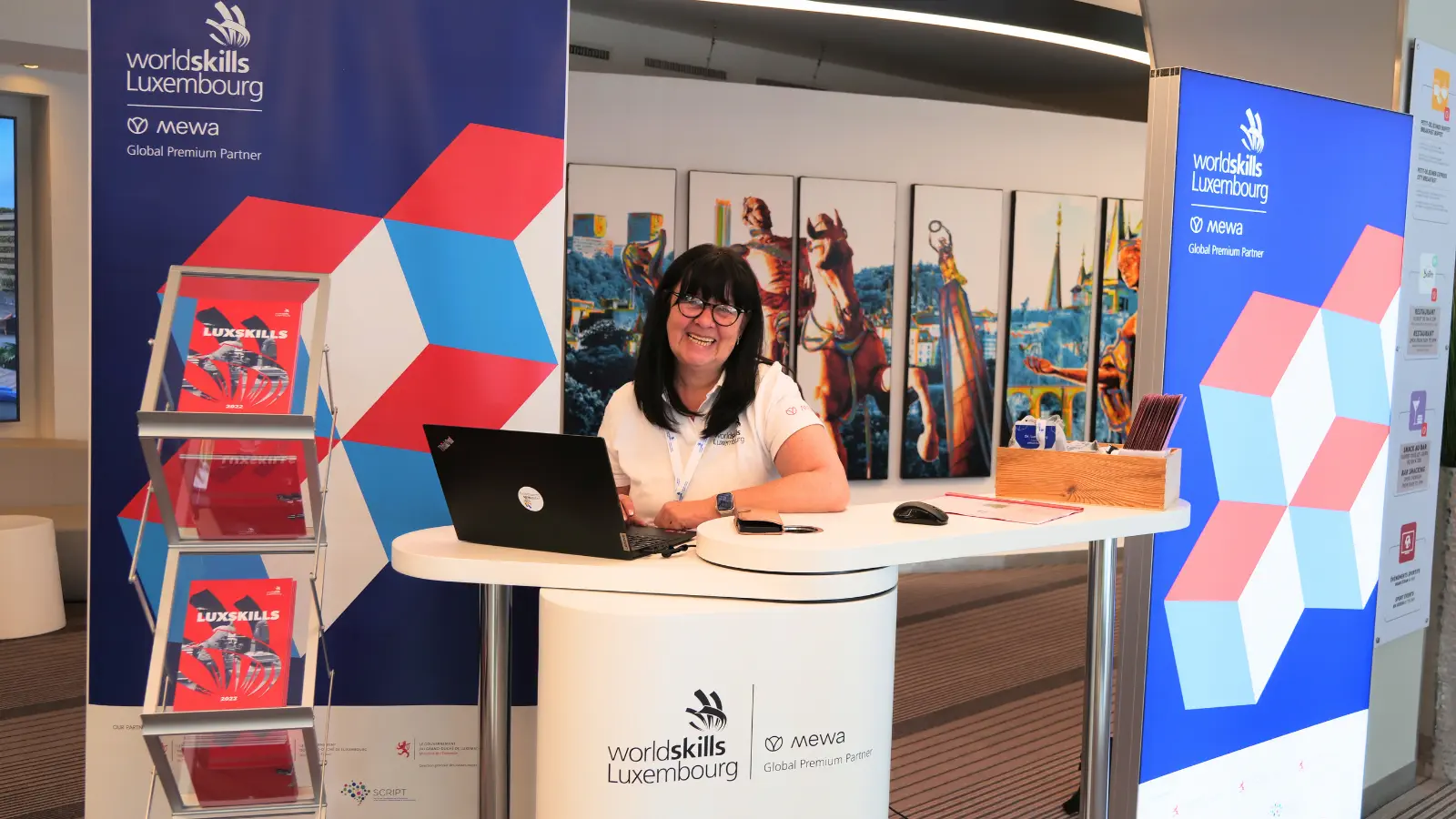
The General Assembly 2024 is hosted by WorldSkills Luxembourg and the Luxembourgish Ministry of Education, Children and Youth under the theme “Skills Shape Your Future”, reflecting Luxembourg’s dedication to fostering skills development, promoting vocational education, and championing the next generation of skilled professionals.
Luxembourg has already demonstrated strong commitment to improving our world through the provision of world-class standards in professional skills and vocational education and training. Hosting the General Assembly 2024 will help further the development of WorldSkills Luxembourg on a national level and increase the positive impact of the WorldSkills movement in Europe.
“As one of the founding members of the European Union and home to seats of several European institutions, Luxembourg is renowned as a place of connection and cooperation on an international level,” said Guillaume Suteau, WorldSkills Europe Chair of the Board. “Let us embrace this fact as we come together to connect, explore, and share ideas that will help us build on each other’s successes into the future.”
“This momentous event not only marks a significant milestone in the journey of WorldSkills Luxembourg, but also exemplifies the spirit of collaboration, excellence, and innovation that defines the WorldSkills movement globally,” said Gil Belling, President of WorldSkills Luxembourg.
The WorldSkills Europe General Assembly 2024 also represents a major milestone for WorldSkills Luxembourg on the road to EuroSkills Düsseldorf 2027, which Luxembourg will co-host with Germany.
“Hosting the WorldSkills General Assembly 2024 symbolises our readiness to embrace the challenges and opportunities that lie ahead,” added Mr Belling.
The General Assembly is the highest authority of WorldSkills Europe. The General Assembly Luxembourg 2024 will include meetings of the WorldSkills Europe Strategy Working Group, Strategy Forum, Competitions Committee, Sponsors and Partners, and the main General Assembly.
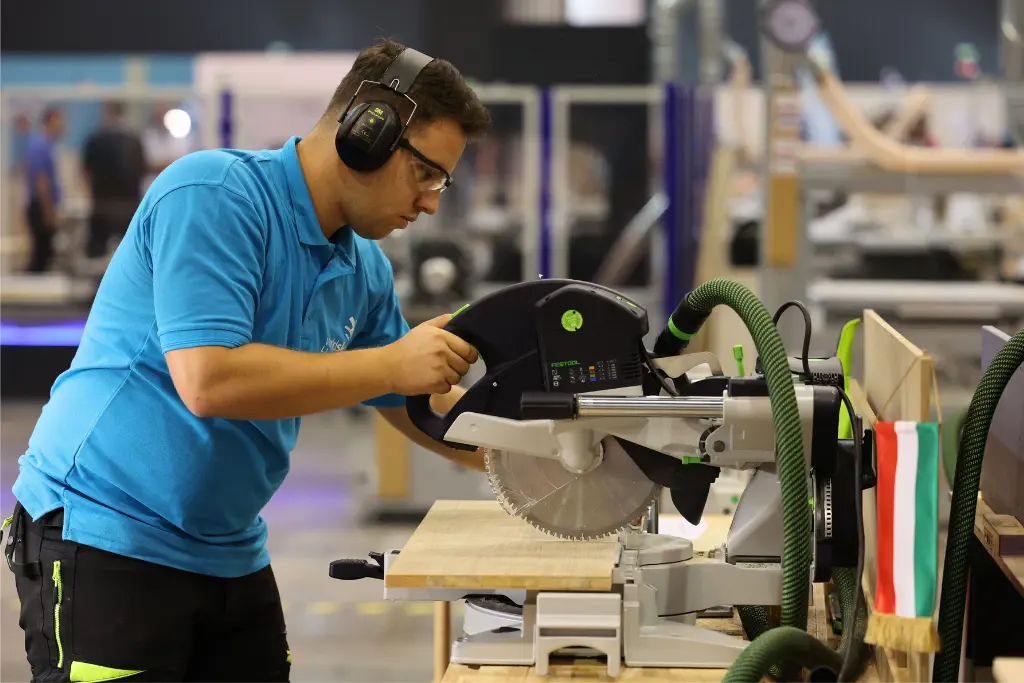
WorldSkills Europe is excited to announce that Festool, a leading manufacturer of high-quality power tools, has become the newest Premium Sponsor.
Inspired by craftspeople, Festool’s dedication to professional craftsmanship has been unchanged since 1925. Since then, its continuous dialogue with customers has inspired Festool to develop power tools that meet craftpeople’s high demands. Festool challenges the status quo, creating new product solutions that set the standards for tomorrow’s generation of professional craftspeople.
As a Premium Sponsor of WorldSkills Europe, Festool builds on its past support of EuroSkills Competitions and WorldSkills Europe Members to further develop skills excellence for an internationally prepared workforce. This new Sponsorship Agreement represents Festool’s commitment to support the organisation of EuroSkills Herning 2025 and EuroSkills Düsseldorf 2027.
“There is no one-size-fits-all recipe for getting young people interested in the skilled trades. This makes it all the more important for us to support WorldSkills Europe,” said Barbara Austel, Chairwoman of the Supervisory Board at Festool. “It’s a wonderful opportunity to show young people the diversity of the skilled trades and get them excited about it, It’s great to see how ambitiously the young tradespeople represent their profession at EuroSkills Competitions,
“Especially in times like these, it is important for us to promote the next generation of skilled workers and attract young people to the skilled trades. Through WorldSkills Europe, we have contact and direct feedback with the young EuroSkills participants, because for us, passion for the skilled trades also means passion for our young talent,” Ms. Austel added.
“We are excited to welcome Festool as a Premium Sponsor of WorldSkills Europe. “This partnership represents a major milestone in Festool’s already impressive track-record of supporting previous EuroSkills Competitions,” said Guillaume Suteau, Chair of the Board, WorldSkills Europe.
“Festool’s support as a Premium Sponsor will be invaluable in helping us continue to drive up standards of excellence in the Construction and Building Technology sector and inspire the next generation of skilled professionals across Europe. We look forward to working even more closely with Festool throughout this partnership,” Mr Suteau added.
Festool joins seven other WorldSkills Europe Sponsors and 32 Member Countries that are committed to helping young people change their lives and the fortunes of their communities and countries through skills.
The global software company and WorldSkills Europe Premium Sponsor surveyed over 5,000 global experts, exploring the future of skills in these vital global industries.
The Design and Make industries — encompassing architecture, engineering and construction, design and manufacturing, and media and entertainment — are heading towards an AI-powered future. Autodesk’s new State of Design and Make Report highlights this transformation and explores what it means for these industries, which employ nearly 300 million people worldwide and will represent $30 trillion in value globally by 2027. The global software company and Premium Sponsor of WorldSkills Europe surveyed 5,400 global business leaders, futurists, and experts for its report, which aims to help global leaders make strategic decisions on how to prioritise and invest for the future.
Survey Highlights
With many companies in these industries surpassing expectations year after year, Autodesk’s data suggests that advanced digital maturity is powering business resilience. Respondents from digitally mature companies are more likely to report above-average or exceptional performance.
Upskilling and continuous learning were also key ingredients for business growth. Autodesk’s report found that while 77% of companies consider upskilling and training important, only 38% have the necessary skills and resources to design internal training programs. Further, 43% of industry professionals say that access to skilled talent is a barrier to growth.
In the face of these challenges, companies across the globe are adopting a multifaceted approach to uplift the next generation and future-proof their businesses.
Many companies are turning to artificial intelligence (AI) to bridge this skill gap and drive innovation. According to the report, trust in AI is rising, with more than 3 in 4 professionals (76%) saying they trust AI for their industry. Many companies have embraced AI to enhance productivity, become more efficient, and to achieve vital sustainability goals.
As Design and Make industries continue to invest in AI, technical education is essential for students before they enter the workforce.
“As the world’s leading design and make technology company, we believe we have an obligation to help the next generation of leaders – who will be charged with shaping our world – prepare for rapidly evolving jobs of the future,” said Mary Hope McQuiston, Autodesk’s Vice President of Education Experiences.
She added, “It’s why we provide the same software used by professionals to all students and educators around the world for free, and we partner closely with organisations like WorldSkills who share our commitment to development and learning. Together, we’re empowering the next generation to design and make a better world.”
Autodesk’s report also suggests that incorporating AI has helped companies achieve a more optimistic outlook. Seventy three percent of companies believe they are prepared to handle unforeseen economic or geopolitical changes – up 14 points from 2023.
Autodesk’s partnership with WorldSkills and WorldSkills Europe represents our shared goal of equipping the next generation of skilled professionals with the tools and skills they need to succeed. Together, we aim to prepare the designers and makers of the future for illustrious careers across advanced manufacturing, digital construction, media and entertainment, and more.
WorldSkills and WorldSkills Europe provide students with the skills, hands-on experiences and credentials to thrive in tomorrow’s workforce. Through Autodesk’s platinum sponsorship at WorldSkills Lyon 2024 – featuring interactive try-a-skill zones, and support of 13 skills across digital construction, additive manufacturing, and mechanical engineering – young people worldwide will be empowered to become the Design and Make leaders of tomorrow.
The OECD, in collaboration with over 100 experts, employers, and international partners including WorldSkills, has launched its groundbreaking international large-scale assessment of vocational education and training.
During an insightful webinar with leading experts in skills development, the OECD launched the framework that will guide the development, pilot, and implementation of the first internationally standardised assessment for Vocational Education and Training (VET).
The PISA-VET framework is a joint effort between 13 countries as well as more than one hundred experts, employers, and international partners, including WorldSkills.
The programme builds on the OECD’s experience with its PISA initiative, which has for decades been providing comparative data on the performance of school-level students to help countries drive educational reform.
Existing information on VET only covers enrolment, qualification, and labour market outcomes. Despite VET’s key role in ensuring that young people and adults have the skills required by societies and labour markets, the lack of comparative data makes it difficult to understand why some VET systems are more successful in fuelling economic growth.
PISA-VET will compare skills levels in programmes across countries, helping teachers and policymakers to improve their systems and make them more relevant, inclusive, and attractive.
The framework of the assessment is intended to guide the work of those involved in the further development of PISA-VET, help policymakers understand the purpose and the appropriate use of the assessment results, and inform researchers and educators about methodological choices.
During his opening remarks at the launching webinar on 19 March 2024, Deputy Secretary General of the OECD Yoshiki Takeuchi recognised the need for collaboration in professional skills measurement.
“I would like to particularly highlight the contribution of WorldSkills to the initiative,” said Mr Takeuchi, as he also acknowledged the important role of businesses as partners, and as employers for vocational programmes. “Employers’ understanding of skills needs, the expectation of graduates, and their experience of training VET learners will provide crucial information to design a relevant and credible assessment.”
Following opening remarks, a panel of leading experts provided a comprehensive understanding of how the landscape of vocational skills and education can be redefined collectively.
To celebrate International Women’s Day, WorldSkills Champions Trust representatives participated in an Instagram Live discussion. Watch the recording to hear their views on what inclusion means to them.
Having to work harder to prove yourself as a woman in a male-dominated skill, concerns about security, and the importance of role models were some of the issues discussed by WorldSkills Champions Trust representatives Shweta Ratanpura, Justina Ashiyana, and Yousra Assali during the International Women’s Day special Instagram Live on WorldSkills’ official account.
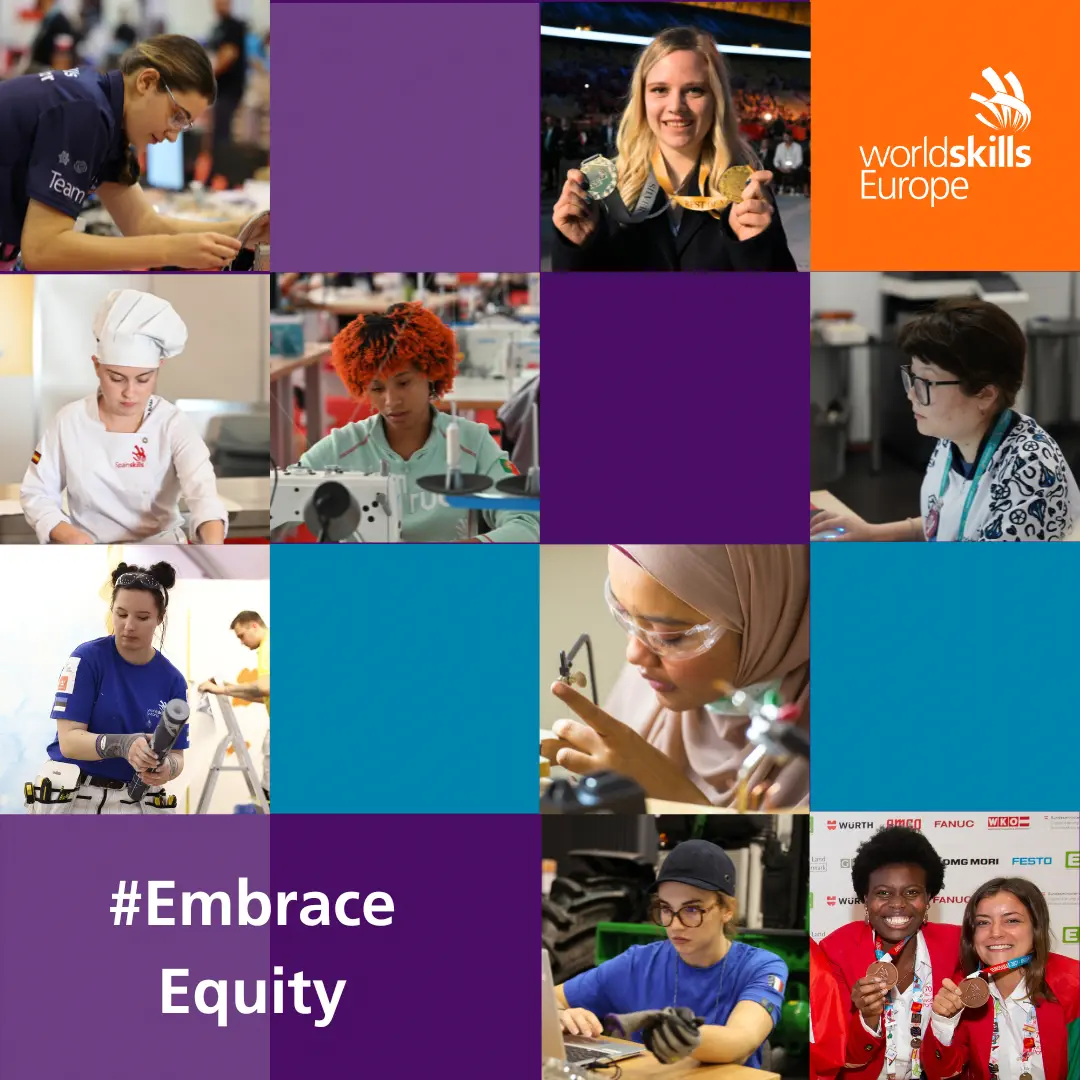
In recognition of International Women’s Day 2024, WorldSkills joined this year’s theme #InspireInclusion celebrating #WomenInSkills and engaging communities to collectively challenge gender stereotypes, call out discrimination, draw attention to bias, build equitable spaces, and seek out inclusion.
Drawing upon their personal stories, the three Champions looked at some of the reasons why women choose certain skills over others, and why they often feel discouraged to follow their passions when they do not fit into what is expected from a woman.
According to the World Bank, there is clear evidence that removing gender barriers unlocks economic productivity, reduces poverty, and deepens social cohesion. Closing the gender gap in employment could raise long-term GDP per capita by nearly 20 percent on average across countries.
Women are, for instance, underrepresented in STEM skills, leaving many young girls with little evidence to disprove the notion that mathematics and science are somehow more “masculine” disciplines.
Yousra, who competed for Morocco in the skill of Electronics at WorldSkills Kazan 2019, said that it was hard to convince her family to support her to study this field. They told her to wait for things to change, and for these spaces to become more welcoming to women. Her instructor also discouraged her to pursue Electronics, recommending skills according to her gender and not her passion. And her classmates thought she was unfit to compete in Electronics at WorldSkills.
“During the training I saw my mates looking stressed to prove themselves. I felt even more pressure because I had to prove myself as a woman, and then in my skill. Now, I am proud to have been the first woman to win a national title, and to have competed in Kazan,” she said. “Looking back, it would have been great to have a role model. Unconsciously, it would have challenged the disapproval of others.”
Prompted by a question from the followers, Shweta recalled how security in the workplace or during commutes was a big issue for her.
“Even my parents, who were very supportive and defended my choice to pursue graphic design in front of relatives and neighbours, had concerns about my security. Security to travel to work or at work restricts women and is one of the biggest barriers that we face,” she said, while highlighting that it was the job of governments and companies to create safer spaces for women.
Justina recognised her privilege in having had her father – a tradesperson in construction – as an inspiration that gave her the confidence and support to become a joiner. Being at the WorldSkills Competition facing only men made her doubt of her capabilities, but she chose to trust in herself and finish what she had started.
“I doubt that other women in the same shoes, but without my confidence or support, would be able to achieve their best,” she said, “I wish all spaces were equally inclusive for all. Support is very important.”
At the end of the session, the three young women expressed some of their frustrations.
“Why are we the first ones to be doing this?! It should have been solved a long time ago!” said Shweta, while reminding the audience that “inclusion, in its true sense, is letting women be.”
Over 400 young people met with WorldSkills, EuroSkills, and Abilympics Champions at the European Commission to discover the exciting paths in skilled careers.
Framed under the European Year of Skills 2023 campaign, the one-day event at the European Commission premises in Brussels was designed to promote the benefits and opportunities offered by Vocational Education and Training (VET).
Despite the strong career prospects and greater job opportunities in VET, only 50% of students enrolled in medium-level education in the European Union in 2021 were in skills. The European Year of Skills 2023 aimed to address the serious skills gaps faced by companies within the European Union and help reskill people with the focus on digital and green technology. The campaign has encompassed a wide variety of initiatives in collaboration with social partners like WorldSkills Europe and WorldSkills International.
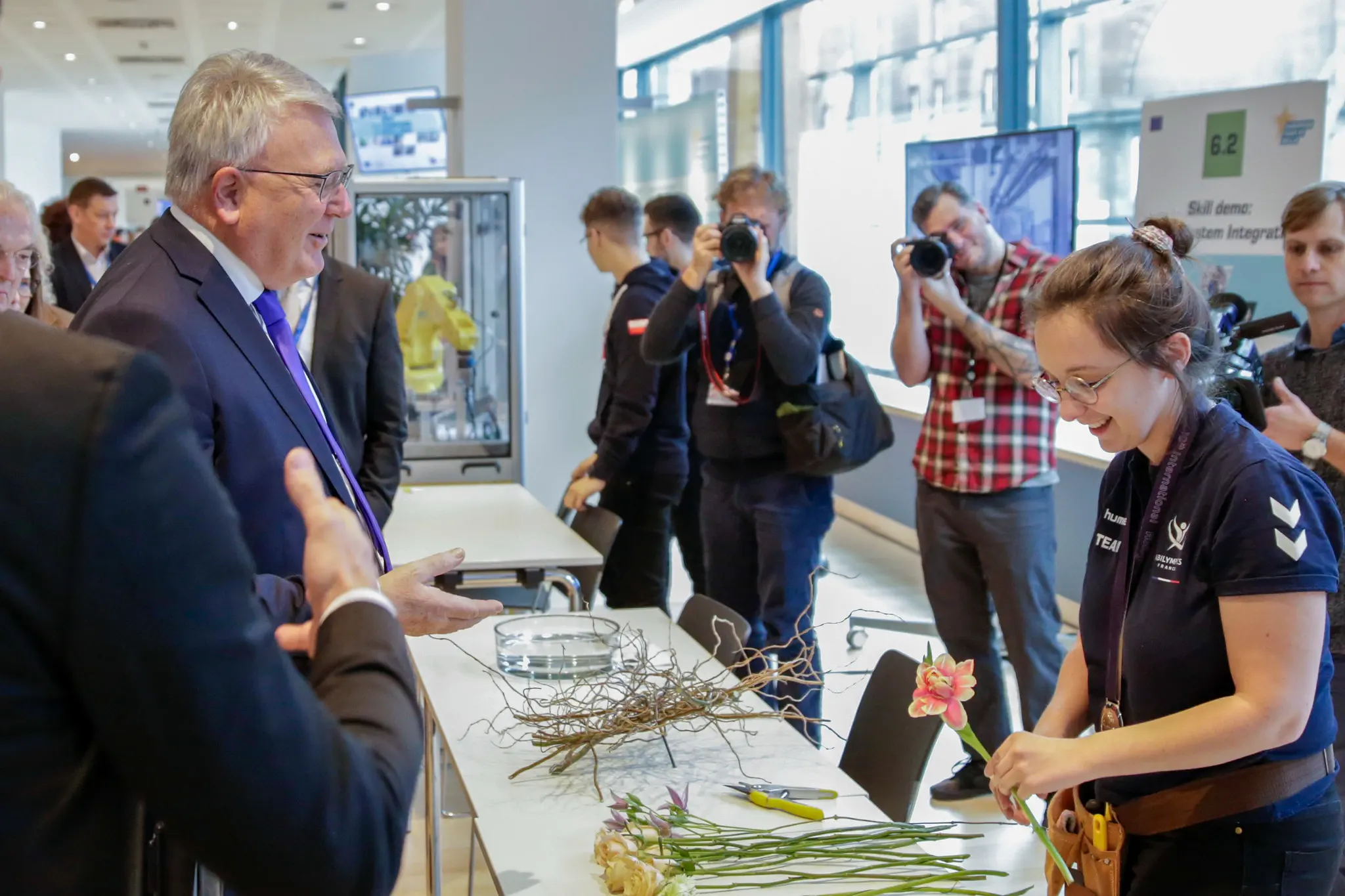
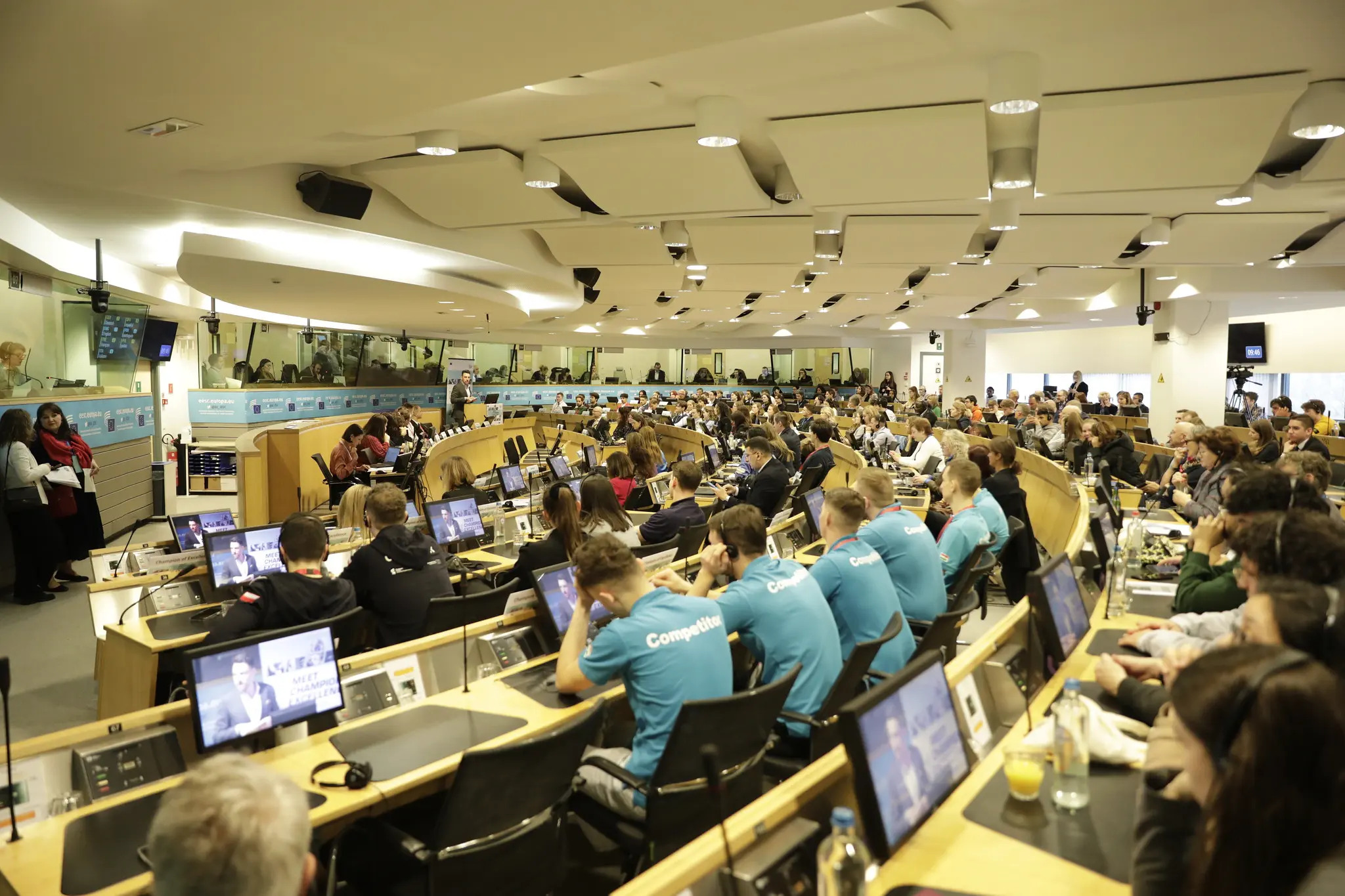
Over 500 participants gathered for ‘Meet the Champions of Excellence’, engaging with 35 EuroSkills, WorldSkills and Abilympics Champions in more than 20 different skills from across Europe. They also learned about the skills needed for current and future jobs, as well as VET.
Skill demonstrations included Mechanical Engineering CAD, Robot Systems Integration, Floristry, Welding (simulator), and Water Technology, showcased by the Champions in action.
The event also included a high-level panel with Commissioner Nicolas Schmit, EESC President Oliver Röpke, and WorldSkills Europe CEO Laurence Gates, who enjoyed an interesting exchange with the Champions. They talked about excellence in VET and the essential role of VET to seize current and future job opportunities.
“You cannot be what you cannot see. What we want through WorldSkills and EuroSkills Competitions is to show young people what careers in skills can do for them. There’s a misconception that to succeed in life, you need a university degree. We are here to show you that that’s not the case,” said Ms Gates during the panel.
The panel was followed by four interactive parallel sessions on topics such as learning mobility, skills for the future, and gender stereotypes.
At the end of the event, Mr Schmit reminded participants that, “vocational training offers so many opportunities in today’s labour market,” and added that meeting the skills champions from across Europe was a great honour, which he hoped would inspire young people to consider whether vocational training could be the right path for them.
Participants in the event included representatives from the EESC and its Labour Market Observatory, as well as from the European Commission. Organisations focusing on education, training, young people and social dialogue also took part, including the European Youth Forum, the European Apprentices Network, Cedefop, the European Training Foundation, the Lifelong Learning Platform, social partners and many others.
The 37th Assembly of the Heads of State and Government of the African Union was the setting for the official launch of WorldSkills Africa – a pioneering platform for skills.
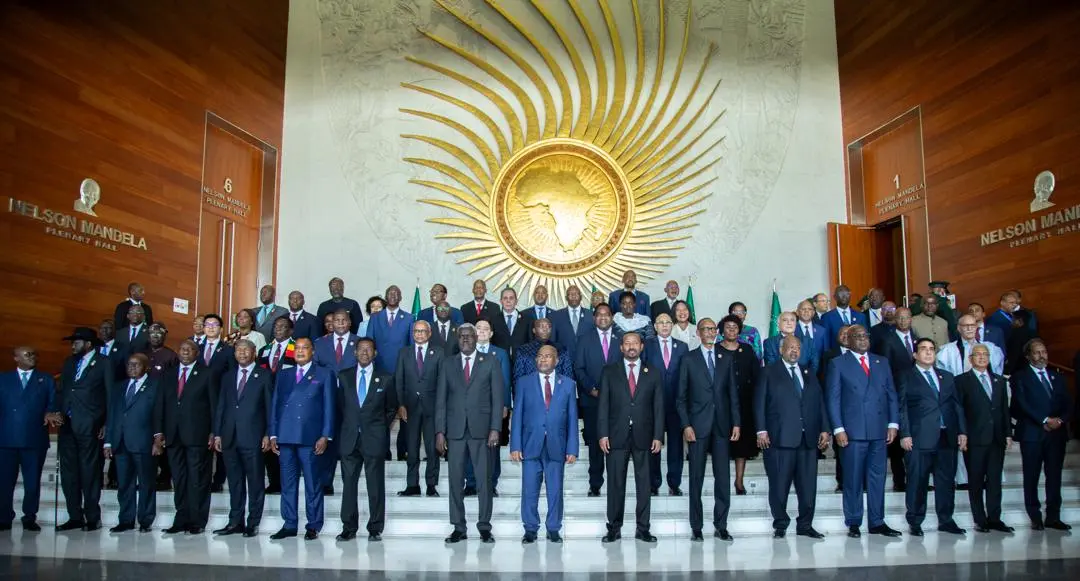
Saturday, 17 February 2024 marked a pivotal milestone for skills development. During an exciting week of commitments to transform African education systems, delegates at the 37th Assembly of the Heads of State and Government of the African Union were invited to celebrate the official launch of WorldSkills Africa, a ground-breaking initiative dedicated to advancing Vocational Education and Training (VET) across the continent.
The official launch took place in Addis Ababa, Ethiopia, at the Summit which is held every year to discuss the future of regional and continental development. Mrs Nardos Bekele Thomas, Chief Executive Officer of the African Union Development Agency (AUDA-NEPAD), hailed the launch of WorldSkills Africa as a flagship to implement the objectives of the Continental TVET strategy. “Africa has great potential, but in order to achieve the goals of Agenda 2063 for a prosperous and inclusive society and economy, Africa needs skills. WorldSkills Africa will benefit young people to gain theoretical, practical as well as requisite work-based life-skills needed for the world of work, to drive our economies”.
Echoing this celebratory tone, Mr Hakainde Hichilema, President of Zambia said “WorldSkills Africa is a strategic platform for us to nurture and showcase young people’s skills and talent. As we work towards the realization of agenda 2063, WorldSkills Africa will serve as a catalyst for continental cooperation, fostering partnerships and knowledge exchange that transcend borders and boundaries.” The next WorldSkills Africa Competition will take place in Livingstone, Zambia in 2025.
As next steps, the AUDA-NEPAD will serve as Secretariat and work towards the mobilization of African countries to become Members of this new regional platform for skills. The launch was witnessed by Heads of State, government officials, policy makers, industry leaders, along with representatives from the African Union Commission (AUC), the African Union Development Agency (AUDA-NEPAD), and the WorldSkills community.
Prof Mohammed Belhocine, Commissioner Education Science Technology and Innovation at the African Union Commission congratulated the AUDA-NEPAD for implementing the decisions of the 4th Specialized Technical Committee of the Ministers of Education, Science, Technology and Innovation, and called on African countries to take advantage of this platform for exchange of best practices and benchmarking, to improve links between Vocational Education and Training and market demands across the region.
The timing could not have been more perfect, as it coincided with the African Union declaring the theme for 2024 as, “Educate an African fit for the 21st Century: Building resilient education systems for increased access to inclusive, lifelong, quality, and relevant learning in Africa.” Addressing the audience by video message, Chris Humphries, Chair of WorldSkills, said, “Africa is a continent in its ascendance, with the youngest population and some of the fastest growing economies. It is full of potential and possibility. By officially launching WorldSkills Africa today we can accelerate each of your own national skill journeys.”
He continued, “We are confident that WorldSkills Africa will help you reimagine your VET systems, so they support economic growth and productivity. It can help build capacity among your educators and trainers. And it will make it easier for young people to develop their skills, raise their ambition, and thrive.”
The official launch of WorldSkills Africa in February 2024 is exactly five years after AUC, AUDA-NEPAD, and WorldSkills International signed a Memorandum of Understanding for its establishment back in February 2019. The anniversary was noted by San-Quei Lin, WorldSkills Board member, who said, “The groundswell of support for skills in Africa proved to us that we needed something more formal, more established, and on a greater scale. Now, five years later, and after a huge amount of work and cooperation between the African Union Commission and the African Union Development Agency and all of you, we can say with pride that the day has arrived.”
He also called on delegates gathered to commend all that has been achieved so far, saying, “Today, I invite you all to take a moment to recognize your individual achievements and acknowledge the great strides we have made. The formation of WorldSkills Africa is a significant milestone and an important step on our journey to transform education and skills in Africa.”
The establishment of WorldSkills Africa is another vital example of Africa’s commitment to achieve sustainable development and inclusive growth as outlined in Agenda 2063, a visionary framework for Africa’s future, encompassing seven aspirations designed to unlock Africa’s potential by 2063. WorldSkills Africa is most closely aligned to Aspiration 6 which aims to create a people-driven Africa that harnesses the talent of all Africans, especially women and youth.
The official launch culminated with a call for more African Union Member States to join WorldSkills Africa and accelerate their own journey to transform VET systems for the better. Dr Langat, Official Delegate of WorldSkills Kenya endorsed the benefits of being part of the WorldSkills community, saying, “Exposing our trainers and learners to the competitions, helps us to improve the quality of the TVET system as well as puts Kenya on the global map of skilled workforce.”
Interested businesses, industry, and employer organisations and companies involved in developing skills training programmes are invited to submit expressions of interest to join the first international large-scale, standardised assessment of Vocational Education and Training.
There is currently limited and inconsistent comparative data on Vocational Education and Training (VET), which constrains countries in evaluating the success of their VET programmes and learning from international best practices.
Building on the Programme for International Student Assessment – which has assessed the performance of 15 year-olds in numeracy, literacy, and science since 2000 – the Organisation for Economic Co-operation and Development (OECD) in partnership with Business at OECD (BIAC) is working to close this data gap.
The PISA-VET initiative will become the first international large-scale assessment of Vocational Education and Training, with the ultimate goal of improving the quality and attractiveness of VET.
With its own extensive experience in international comparative assessment, WorldSkills is contributing to PISA-VET’s development stage alongside numerous countries, agencies, and businesses to define the targets of the assessments, the competencies to be assessed, and the methodology.
Following months of collaboration with the OECD, WorldSkills now encourages its industry partners to get involved. As partners and employers for VET, business involvement in the international VET assessment initiative would bring comprehensive benefits to the programme.
“The involvement of WorldSkills Experts, Partners, and Sponsors can provide authenticity to PISA-VET. For it to become a relevant assessment, we need to draw on the understanding of employers and experts from business and industry,” said Chris Humphries, President of WorldSkills.
“We would like to extend the OECD’s invitation to the private sector to all our Partners and Sponsors. Because they have clear expectations of VET students, they understand the skills required because of their experience training VET learners. Their contribution can ensure the validity and credibility of PISA-VET.”
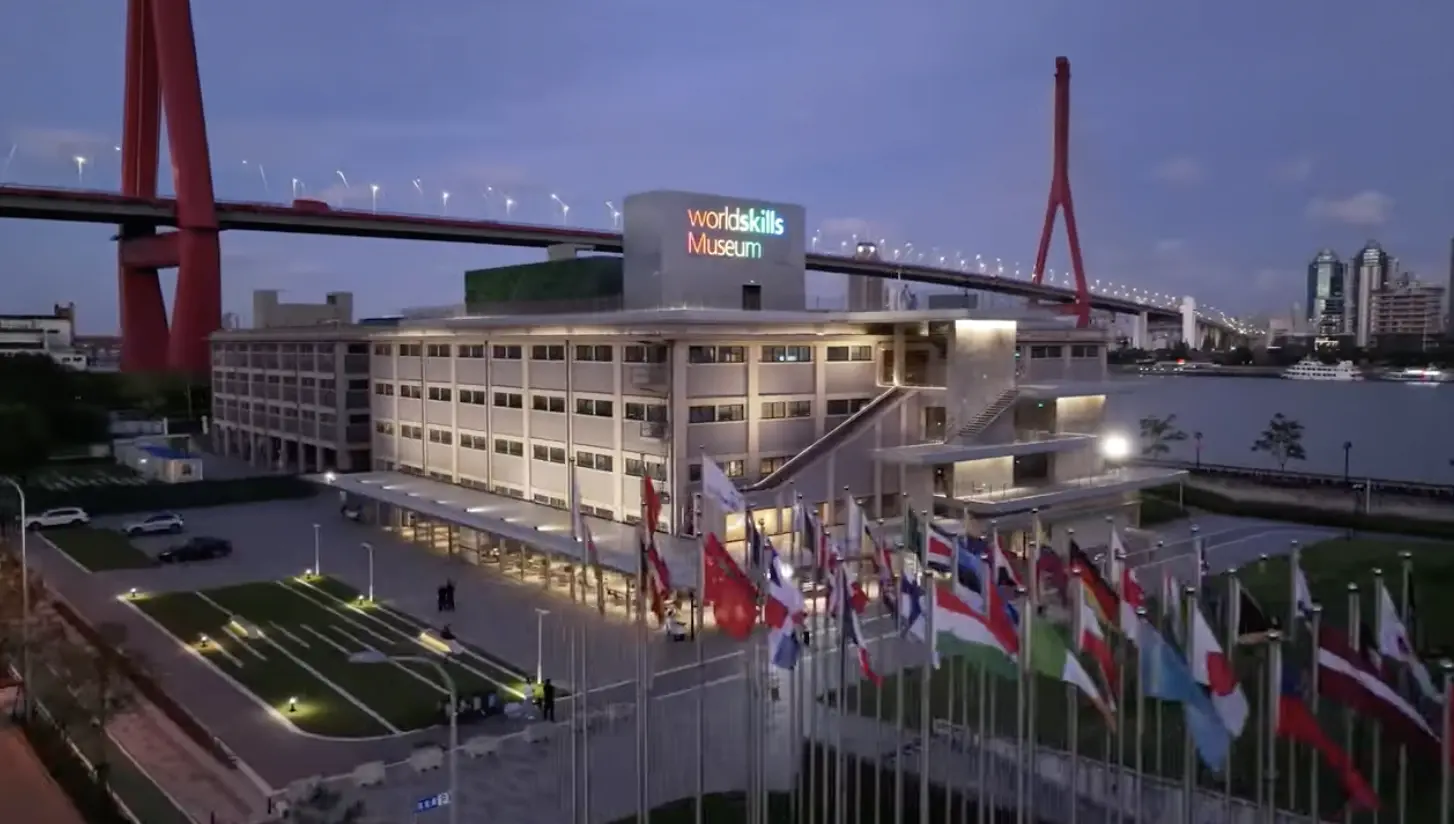
Dignitaries, WorldSkills Global Partners, donors, and WorldSkills representatives gathered to celebrate the official opening of the WorldSkills Museum in Shanghai, China on 6 November.
A collaboration between WorldSkills International and WorldSkills China, the Museum is the first in the world dedicated exclusively to vocational skills.
From a collection of personal assets documenting the journeys of the first WorldSkills Competitors to a walk-in docking ring that shows how skilled workers are key to the exploration of outer space, visitors and residents of Shanghai can now explore the past, present, and future of skills in a new unique Museum dedicated to vocational skills.
The WorldSkills Museum was officially inaugurated on 6 November in a ceremony that brought together representatives of WorldSkills, the Chinese Ministry of Human Resources and Social Security China, the Shanghai Municipal Peoples Government, and Global Partners. Some private donors were also present at the event, including daughters of WorldSkills founder, Francisco Albert Vidal.
“We are humbled and honoured by this incredible Museum,” said Chris Humphries, WorldSkills President. “We were proud to work with the Shanghai Municipal People’s Government, the Ministry of Human Resources and Social Security, and WorldSkills China to create a marvellous tribute telling the story of WorldSkills and the story of skills.”
In attendance at the ceremony was Minister Wang Xiaoping and Vice Minister Yu Jiadong of Human Resources and Social Security, and the Mayor Gong Zheng and Vice Mayor Hua Yuan of Shanghai.
“On behalf of WorldSkills International and our entire WorldSkills movement, we are honoured by this incredible exhibition,” said David Hoey, CEO of WorldSkills International. “The Shanghai Municipal People’s Government, the Ministry of Human Resources and Social Security, and WorldSkills China have created a marvellous tribute telling the story of WorldSkills AND the story of skills.”
“We are so grateful to the WorldSkills Members, our Global Partners, delegates and, indeed, many individuals across the world, who have contributed memories and artifacts to this extraordinary showcase,” added Mr Hoey.
The WorldSkills Museum is housed in what was once the Wing On textile storehouse – a 100-year-old former cotton warehouse in Shanghai’s historic YangPu district. With its links to vocational skills and industry, the building has been restored to maintain its original industrial look while combining innovative materials and modern spaces.
Spread across approximately 2,500 m² and divided into six zones, the exhibition uses engaging and immersive formats to tell the story of WorldSkills, helping visitors understand the importance of skills and skilled workers in human development, social and economic progress, industry, or innovation. More than 800 artifacts are on display.
The official opening concluded with the turning of keys by Minister Xiaoping, Mayor Zheng, and Chris Humphries, WorldSkills President.
The Museum has helped to gather much of the history of the WorldSkills in one place, charting its evolution from the first competition in 1950 to the global organization of today. A zone dedicated to skills development and China highlights some of the enduring contributions of Chinese civilization to the world and the country’s commitment to traditional as well as advanced technological skills.
A collaboration between WorldSkills International and WorldSkills China, the WorldSkills Museum project kicked off in 2017 as part of Shanghai’s winning bid to host the WorldSkills Competition. The next WorldSkills Competition following WorldSkills Lyon 2024 will take place in Shanghai in September of 2026.
We are deeply saddened by the passing of WorldSkills and WorldSkills Europe Board member Terry Cooke on 4 October. Terry was a generous, hard-working, and humble person with an unwavering passion for skills. Much of his life was spent mobilising young people to get involved in education, training, and competitions.
The WorldSkills community sends sincere condolences to his wife of 54 years, Alison, their sons Jason, Simon, and Chris, and their families.
Terry served on the WorldSkills Board, first in 2005-2007 as a founding member of WorldSkills Calgary 2009 and their ex officio representative. Terry was elected to the WorldSkills Board in 2011 and served until his passing in 2023. In 2018, Terry also joined the WorldSkills Europe Board.
Prior to his WorldSkills Board positions, Terry played a number of significant roles within Skills/Compétences Canada, including Official Delegate and President, and founding member of Skills Canada Alberta.
Terry’s broader professional achievements are just as impressive. He began his career as a teacher in the United Kingdom and then in Canada. His love of education drew him to the Northern Alberta Institute of Technology (NAIT) in 1981, where he eventually became Dean of the School of Business. His dedication to skills led to numerous accolades, including, in 2005, the NAIT Ernest Manning Leadership Medallion and the Alberta Centennial Medal for services to the province.
Those who ever met Terry or heard him speak will know he was resolute in his belief that skilled young people are the future and “the foundation on which every community and career is built.“ He spent more than 40 years turning that belief into action.
At WorldSkills General Assembly 2023, Terry was recognised with the WorldSkills Fellowship for his immeasurable efforts in support of young people pursuing skills excellence.